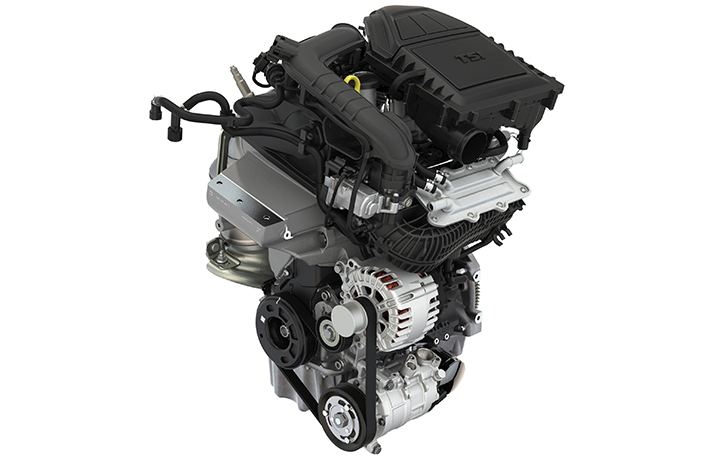
A reconditioned Skoda Fabia engine is carefully taken apart, checked and restored with new parts where needed, making it almost as good as new. From talking to Skoda owners and mechanics across the UK, a well-looked-after reconditioned engine can last between 100,000 and 150,000 miles, or about 7 to 10 years. For example, the 1.2 TSI engine, often found in Fabia’s used for city driving, can hit this mark if you keep up with regular servicing. Simple habits like changing the oil every 5,000–7,500 miles and avoiding harsh acceleration make a big difference in keeping the engine running smoothly for years.
The lifespan of a used Skoda Fabia engine depends heavily on how well the reconditioning is done. Trusted workshops replace key parts like pistons, bearings, and gaskets to ensure the engine performs reliably. A mate of mine, who’s mad about his Skoda, got 120,000 miles from his reconditioned 1.4 TDI engine before it needed a small fix, showing that quality work pays off. To avoid disappointment, always pick a certified reconditioners—poor work can cut the engine’s life short, leaving you with unexpected repair bills.
A rebuilt Skoda Fabia engine is thoroughly overhauled, with worn parts swapped out and tested to meet factory standards. For instance, the 1.0 TSI three-cylinder engine, popular in newer Fabia’s, needs precise rebuilding to keep its turbo working efficiently. Feedback from Skoda forums like skoda shows rebuilt engines lasting 80,000–120,000 miles, with some owners hitting 140,000 miles by using synthetic oils and sticking to service schedules. City driving with lots of stop-start traffic can wear the engine faster than steady motorway trips, so how you drive matters.
Honest insights from mechanics highlight the risks of cutting corners. A mechanic I know, who’s worked on Skoda’s for years, warned that using cheap parts or skipping fixes like the water pump in a 1.6 TDI rebuild can lead to overheating, sometimes killing the engine at just 50,000 miles. Choosing a reliable rebuilder and following their advice—like easing the engine in gently for the first few thousand miles—can massively boost durability. Real-world cases show that proper care makes all the difference.
Used Skoda Fabia engines, often pulled from scrapped cars, might seem like a bargain, but they’re riskier than reconditioned ones. The 1.2 HTP three-cylinder engine, for example, could have hidden wear on parts like the timing chain, lasting as little as 50,000 miles. Skoda owners on Reddit report used engines averaging 60,000–100,000 miles, while reconditioned ones often go beyond 120,000 miles with proper care. This comparison shows why spending a bit more on a reconditioned engine is usually the smarter choice for long-term value.
Real experiences back this up: a colleague of mine fitted a reconditioned Skoda Fabia 1.4 petrol engine in her Ride, only to deal with oil leaks after just 20,000 miles because of unchecked wear. Reconditioned engines, on the other hand, are rigorously tested, with parts like the crankshaft and seals either refurbished or replaced. While used engines might save you cash up front, their unpredictable lifespan makes reconditioned options a more dependable choice for peace of mind.
A remanufactured engine is rebuilt to match the original manufacturer’s specs, often using official parts, making it nearly as good as a brand-new engine. Experts say these engines can last 120,000–180,000 miles or 8–12 years if you look after them properly. The 1.0 MPI engine, common in newer Fabia’s, regains its fuel efficiency and power after remanufacturing. Fleet operators, who often choose remanufactured engines to save money, report some units hitting 150,000 miles without major issues when serviced regularly.
The reliability of remanufactured engines comes from strict quality checks. A remanufacturer I spoke to explained that every part, from the turbo in a 1.2 TSI to the injectors in a 1.6 TDI, is tested or replaced to meet high standards. These engines often come with 12–24-month warranties, which adds confidence. However, skipping oil changes or ignoring small problems like coolant leaks can still cut their life short, so staying on top of maintenance is crucial for getting the most out of them.
A replacement Skoda Fabia engine, whether reconditioned or remanufactured, needs regular care to perform at its best. For example, the 1.4 TDI diesel engine thrives with routine oil changes using quality 5W-30 synthetic oil to avoid sludge buildup, which can knock years off its life. Skoda service records show that replacement engines serviced every 7,500 miles or yearly can reach 130,000–160,000 miles, especially if you mostly drive on motorways. Consistent maintenance is the key to unlocking their full potential.
Real-world lessons show what not to do. One Fabia owner on a forum shared how skipping a timing belt change at 60,000 miles wrecked their replacement 1.2 TSI engine. Experts suggest checking the cooling system, using approved filters, and listening out for odd noises to catch issues early. From my own experience with a reconditioned engine in a VW Group car, I learned that driving gently for the first 1,000 miles helps the engine settle in, giving it a much better shot at a long life.
Skoda Fabia engines, like the 1.0 MPI petrol or 1.6 TDI diesel, perform differently when reconditioned. The 1.2 TSI, a turbocharged petrol engine, typically lasts 100,000–140,000 miles after reconditioning due to its strong design, while the 1.4 TDI diesel can reach 150,000 miles if the fuel system is carefully rebuilt. Skoda workshops report that reconditioned 1.0 TSI engines, found in newer models, average 120,000 miles with moderate driving and regular servicing, based on real-world data.
Mechanics point out that diesel engines like the 1.6 TDI often outlast petrol ones after reconditioning because of their tougher build. However, a Skoda Fabia technician I know warned that turbocharged engines like the 1.2 TSI need extra care, like letting the turbo cool down after long drives. Owners who skip this risk turbo failure by 80,000 miles, even in reconditioned engines. Picking the right engine for your driving habits and maintaining it properly is essential for getting the best performance.
