
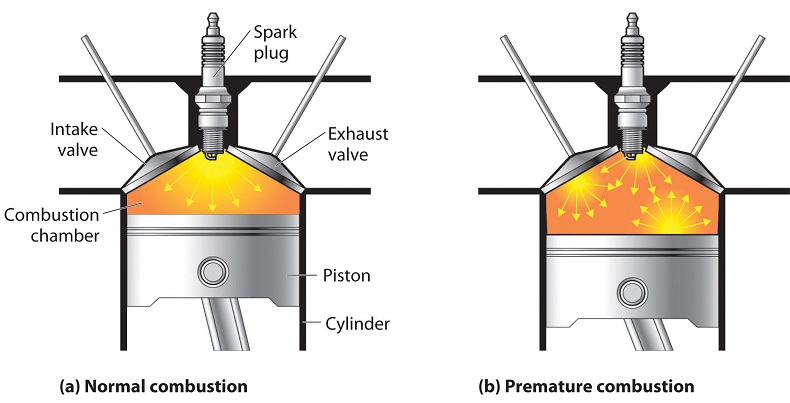
People prefer premium petrol for their cars and believe that it is better than regular. They might think that premium fuel maintains engine health, but it is a big misconception and a costly mistake that directly dents the pocket especially when fuel prices are soaring. It all depends on Octane grades and they don’t represent any Good, Better or even best options but simply measure the resistance of fuel against unwanted throttle pushes and knocking or pinging.
Generally an engine faces these conditions when it works on under revs and burns the fuel wildly in the combustion chambers. There is no doubt that knocking and pinging can damage your engine. High Octane fuels formulated as knocking resistant and typically used in sports cars. Most of the car engines are designed to take regular fuels with defined Octane levels, so you do not need to pay extra for premium fuels.
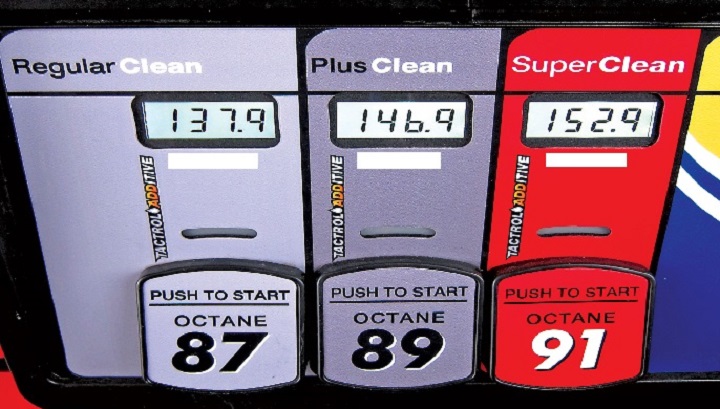
Fuel Grades
High performance engines are usually designed to take high Octane fuels for more efficiency, even on low engine revs. These engines use high Octane fuels and resist against knocking and pinging on low revs and found in sports luxury vehicles. Generally high Octane fuels have ratings of 91 to 93 but it can be further higher according to engine needs. So, using premium fuels in an engine which is designed to use regular doesn’t perk up its performance. High performance engines can run on regular fuels because these engines use knock sensor system that detects any uncontrolled ignition and automatically retards engine timing to overcome knocking and slightly reduces the power level as well.
If you don’t mind giving up some power than you can save money by using regular fuels and if you are concerned about your engine type, simply consult your car’s owner’s manual and or contact your dealership.
